Labor Market Report
Building a Future of Work That Works

What is the state of the global labor market in 2026?
In 2026, the state of the global labor market is more nuanced and challenging than ever before. Global hiring remains below pre-pandemic levels, job transitions sit at a decade low, and AI is changing how we work at scale, all amidst a volatile macro environment. But that’s not the full story.


Karin Kimbrough
LinkedIn’s Chief Economist
“For the last few years, most of the global labor market has been stuck in a low gear with very little momentum. Now we’re seeing AI emerge as a catalyst for new roles, upskilling, and productivity. This creates an opportunity for business leaders to play the long game now by embracing change, building resilience, and investing in the most important skills to unlock growth.”
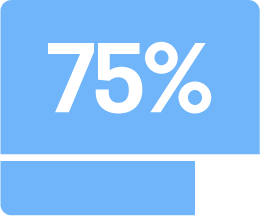
75% of global companies agree that people skills, like adaptability, problem-solving, and communication, are even more important in the age of AI.
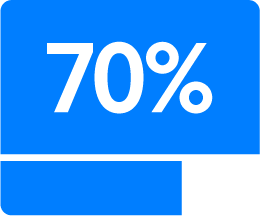
70% of global executives believe that AI tools make their employees more efficient.
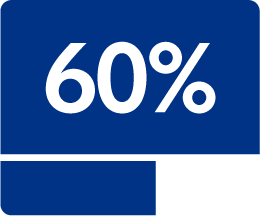
LinkedIn members adding “founder” to their profiles grew by 60% year over year globally.
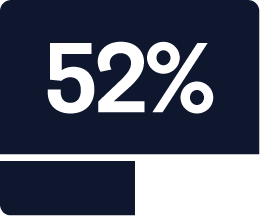
Just over half of people (52%) say they’re job hunting in 2026, and nearly 80% feel unprepared to find a new job.
More resources to help you navigate this wave of change

Work Change Report: AI is coming to Work
Using insights gained from more than one billion professionals and 69 million companies across LinkedIn, this report reveals the next wave of workplace change — and how AI is just starting to come to work.
Learn more
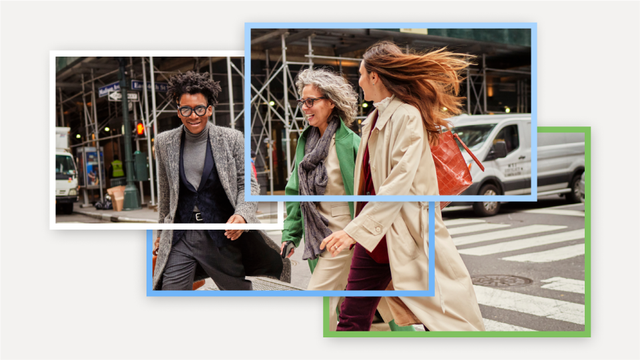
The Skills Signal: Unlocking Opportunity in a Changing Labor Market
The need for a more responsive, resilient labor market has never been greater. Skills-based hiring offers a powerful solution among economic shifts and slower hiring.
Read more

AI at Work
Get the latest real-time trends we see in LinkedIn data around how professionals and companies are adapting to AI at work.
See more
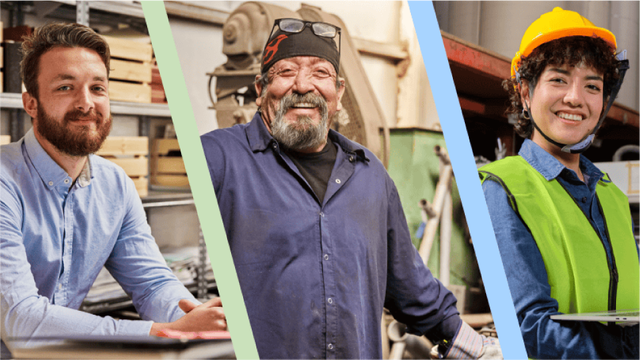
Empower change with green skills
Our latest reports and resources identify trends at the intersection of the workforce and sustainability, based on what we see in LinkedIn data.
Discover the data
